
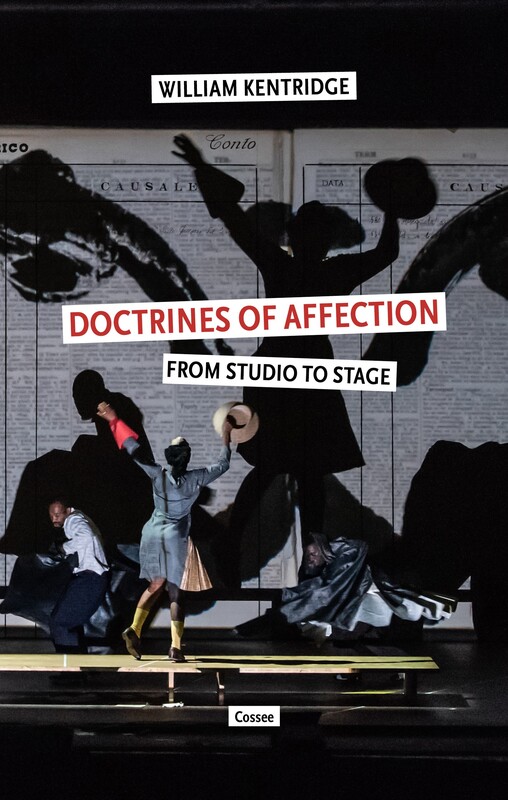
William Kentridge, one of the leading artists working today, explores how his works came into being, from the first photograph he ever made, through studies in drama, posters for theatre plays and work in the film industry.
In Doctrines of Affection he shows how intuitions, connections and objects migrate from a table-top model in his studio to opera houses and exhibition spaces, how to work with music and to connect this work with the outside world. Kentridge celebrates the pleasures of the absurd and of self-deception, resisting the purely rational. When certainties fail, he allows ambiguity and doubt to emerge, and “the less good idea” to flourish. With humour and generosity, he explores how he finds a visual language on a vast scale for well-known classical works from Mozart to Monteverdi thereby enhancing their expression of the human condition.
Full English manuscript available